A Tanzania safari is more than just a trip—it’s an adventure into some of Africa’s most breathtaking landscapes. From the golden plains of the Serengeti to the dramatic Ngorongoro Crater and the lush greenery of Lake Manyara, Tanzania offers wildlife encounters and experiences that stay with you for a lifetime. To fully enjoy your journey, following practical packing tips for a Tanzania safari is essential. Bringing the right clothing, gear, and essentials ensures comfort, safety, and the ability to immerse yourself completely in the adventure.
Here’s a detailed guide on what to pack for your Tanzania safari, written with professional tips to make your journey seamless.
1. Clothing: Comfort Meets Functionality
Tanzania’s climate can be surprisingly varied, so dressing in layers and choosing versatile clothing is key:
-
Lightweight, Neutral-Colored Clothing: Stick to shades like khaki, beige, olive, or brown to blend into the environment. Bright colors can startle wildlife and attract insects.
-
Long-Sleeved Shirts and Trousers: Protect yourself from sunburn, mosquitoes, and thorny bushes when exploring parks or walking safaris.
-
Layered Clothing for Cool Evenings: Mornings and evenings can be chilly, particularly at higher altitudes or in lodges. Bring a fleece or a lightweight jacket.
-
Waterproof Jacket or Poncho: Rain showers can be sudden; a waterproof layer keeps you dry during game drives or treks.
-
Comfortable Footwear: Closed shoes or hiking boots are ideal for excursions, while sandals or flip-flops can be useful at lodges.
Pro Tip: Avoid heavy fabrics or camouflage patterns—they are uncomfortable for long drives and unnecessary in safari settings.
2. Sun Protection and Accessories
The African sun is strong, so protecting yourself is essential:
-
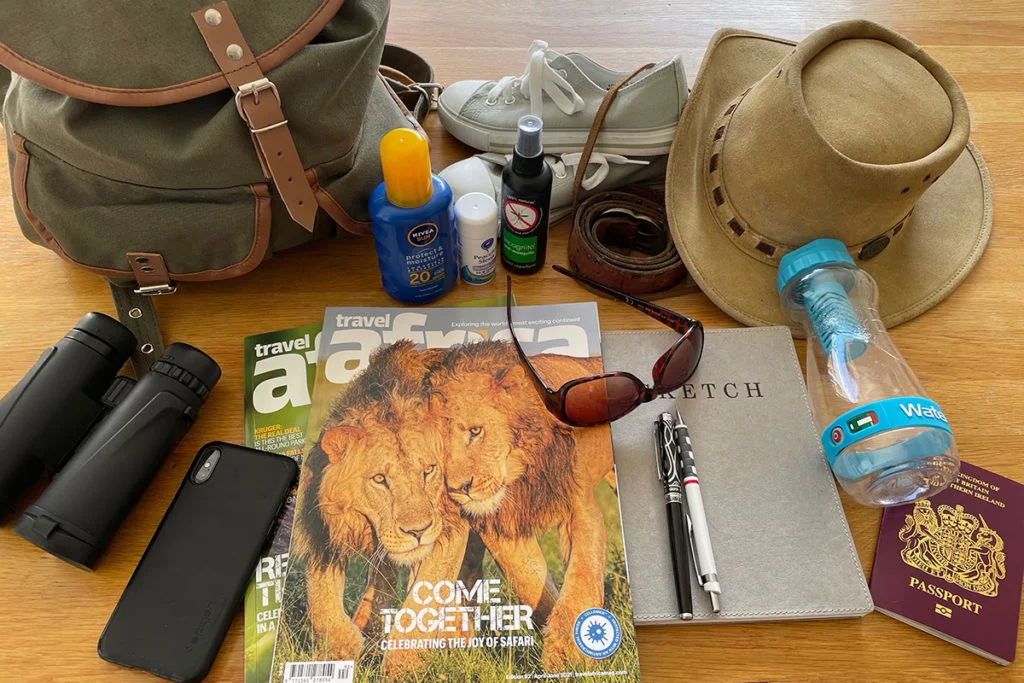
Wide-Brimmed Hat: Shields your face and neck during long drives.
-
Sunglasses: Protect eyes from UV rays and glare.
-
High-SPF Sunscreen: Reapply frequently, especially on exposed skin.
-
Scarf or Buff: Protects against dust during open-vehicle safaris or sudden wind.
Accessories like a compact daypack can help carry water, binoculars, and sunscreen conveniently.
3. Safari Gear: See More, Experience More
The right gear enhances wildlife spotting and makes your safari comfortable:
-
Binoculars: Essential for spotting distant animals and birds.
-
Camera with Zoom Lens: Capture lions, elephants, and zebras without disturbing them.
-
Reusable Water Bottle: Hydration is crucial, particularly in the hotter regions.
-
Notebook or Journal: Record wildlife sightings, experiences, and memorable moments.
Optional items include a field guide for birds and wildlife, which makes the experience interactive and educational, especially for kids.
4. Health and Safety Essentials
Tanzania safaris are thrilling but require attention to health:
-
Personal Medications: Carry enough for the entire trip and bring copies of prescriptions.
-
First Aid Kit: Bandages, antiseptic, painkillers, anti-diarrheal medication, and blister care.
-
Insect Repellent: Crucial for mosquitoes and other insects, especially near lakes or forests.
-
Hand Sanitizer and Wet Wipes: Essential in remote areas without easy access to running water.
Pro Tip: Consult your doctor about vaccinations or malaria prevention before traveling.
5. Travel Documents and Essentials
Organization is key to smooth travel:
-
Passport and Visa: Carry originals and make copies.
-
Travel Insurance: Must cover medical emergencies, evacuation, and safari activities.
-
Safari Confirmation Details: Keep lodge, guide, and itinerary information handy.
-
Cash in Tanzanian Shillings: Useful for tips, souvenirs, and small purchases in remote areas.
6. Optional but Highly Recommended Items
-
Flashlight or Headlamp: Helpful for navigating lodges and camps at night.
-
Travel Pillow and Light Blanket: Comfort for long drives or early-morning departures.
-
Snacks and Energy Bars: Keep energy levels high, especially for children or during long game drives.
-
Entertainment for Kids: Coloring books, games, or tablets for downtime at lodges.
7. Packing Smart: Practical Tips
-
Pack Light but Efficiently: Safari vehicles have limited space. Prioritize essentials over luxury items.
-
Use Packing Cubes: Keep clothes and accessories organized and easy to access.
-
Waterproof Bags: Protect electronics, documents, and clothes from rain or dust.
-
Daypack: Carry water, binoculars, camera, sunscreen, and snacks for easy access during excursions.
8. Special Considerations for Families
Families traveling with children need extra preparation:
-
Pack extra clothing for younger children, including layers for variable temperatures.
-
Bring child-friendly insect repellent and sunscreen.
-
Include snacks that suit children’s tastes and dietary needs.
-
Plan entertainment for downtime, such as small games or journals to record safari experiences.
Conclusion
Packing smartly is one of the most important steps for a successful Tanzania safari. With the right clothing, gear, health essentials, and travel documents, you’ll be ready to focus on what truly matters: the thrill of wildlife encounters, breathtaking landscapes, and unforgettable cultural experiences.
By following these essential packing tips, you can travel comfortably, stay safe, and make the most of every game drive, nature walk, and cultural visit. Proper preparation ensures that your Tanzania safari is not just a trip, but an adventure of a lifetime.